The inventor of the electronic cigarette: the forgotten patent of 1963
Imagine America in the 60s, where tobacco smoke is everywhere, from offices to television studios. Well, it is in this nicotine-saturated setting thatA man had a shift vision.
Herbert A. Gilbert and the Tobacco-Free Prototype
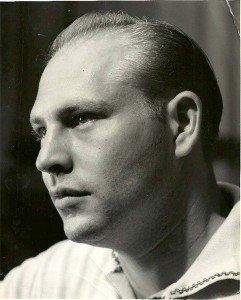
Herbert A. Gilbert was a scrap metal dealer from Pennsylvania. In 1963, he filed a visionary patent. His invention proposed a Tobacco and Smokeless Cigarettes.
The deep motivation of this man was clear. He wanted to Suppress the combustion responsible for diseases. His idea replaced burnt paper with heated moist air.
It was a Total design revolution. No one had imagined this before him.
Aromatized hot air operation
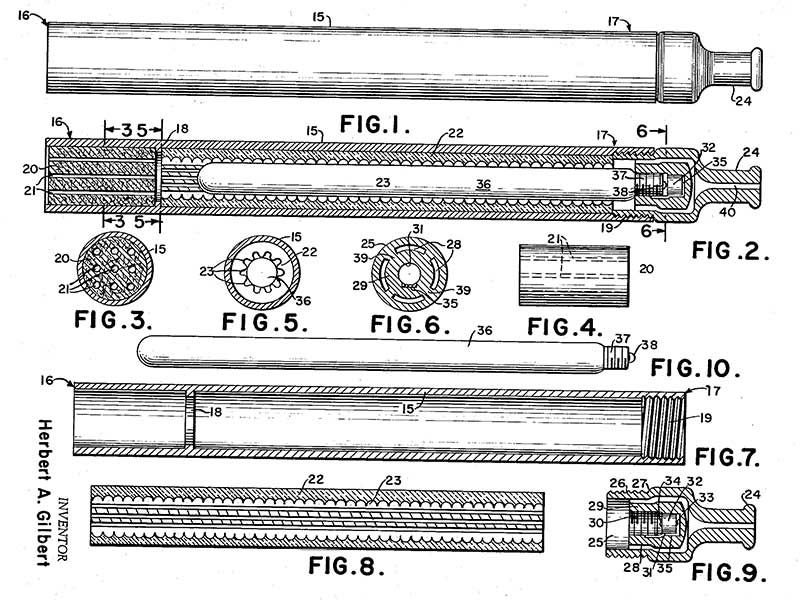
The internal mechanism of the tube was ingenious. A battery heated an element to warm the air sucked in. The flow then passed through a Flavored cartridge. His blends contained absolutely no nicotine. Gilbert then favoured flavours such as mint or cinnamon. The goal remained purely sensory.
Believe it or not, but the device did not produce any visible vapor: it was a Inhalation of scented hot air.
The reasons for an early business failure
You could say that Gibert was ahead of his time, because companies showed massive disinterest. However, he has contacted giants in the chemical and tobacco industries. All of them refused to invest. They preferred to protect their current sales.
It must be said that the health context was also working against him. In 1963, smoking was still perceived as glamorous. Social pressure against smoking was almost non-existent.
The conclusion? The patent eventually expired. The invention has fallen into collective oblivion.
Difference between medical inhaler and this first concept
Gilbert’s recreational approach must be distinguished from health tools. It was not a device to treat asthma. It aimed at the pleasure of the smoker.
The object was not a medical nebulizer without medication. It was a Pure leisure alternative for adults looking for another experience. Do you see the nuance?
Here’s what really separated his concept from conventional medical tools :
- Pleasure vs medical use
- Absence of active ingredients
- Target general public
So there you have it, if you were wondering who invented the electronic cigarette, the answer starts well with this 1963 patent, even if the success was not there.
Hon Lik and the birth of the functional device in 2003
Forty years after Gilbert, History changes in China with an inventor driven by a personal tragedy.
The personal motivation of a Chinese pharmacist
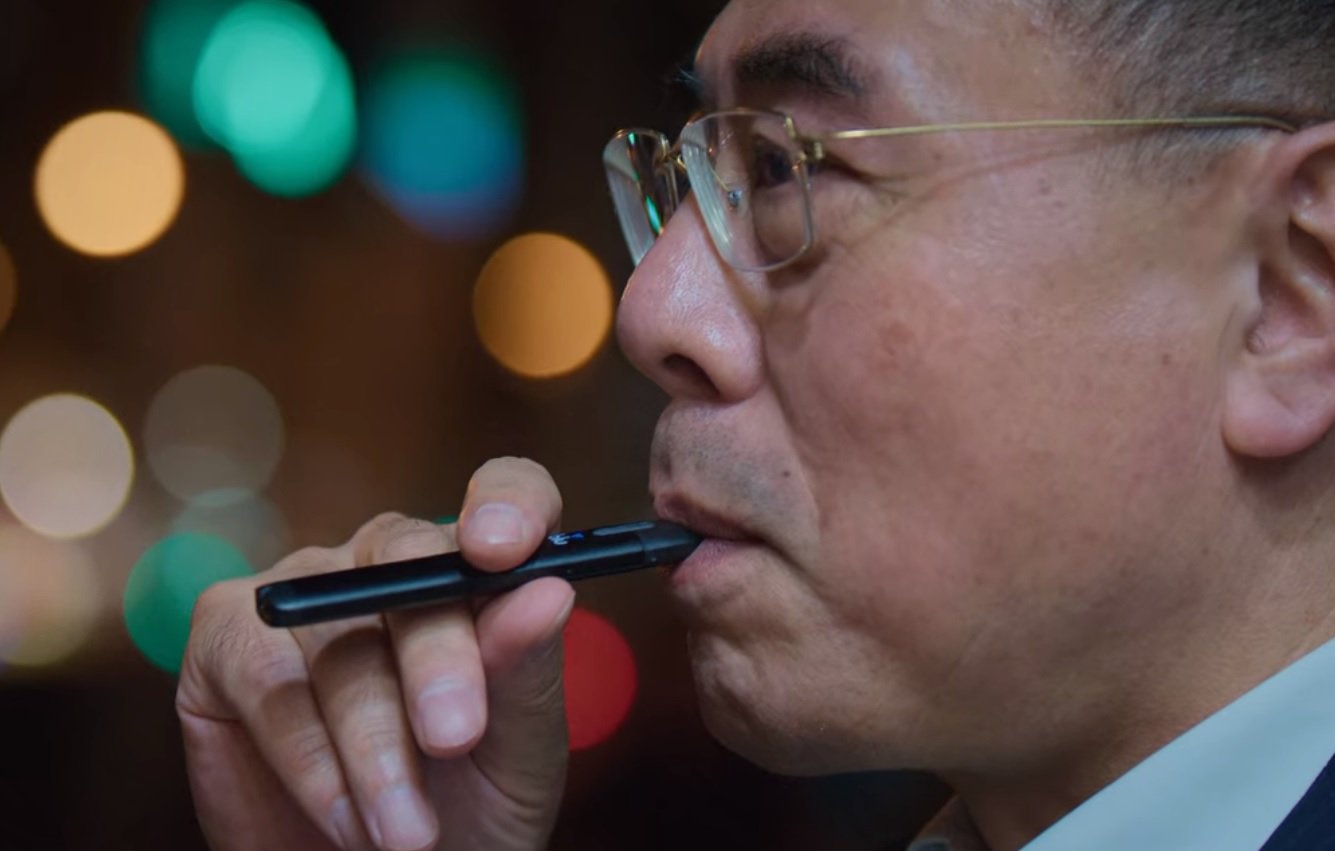
Hon Lik was a pharmacist and a very heavy smoker. His father unfortunately died of lung cancer. And it is precisely this brutal shock that will push him to look for a concrete solution. He wanted to save one’s own life and the lives of others.
He sought above all to Delivering tar-free nicotine. For him, smoke remained the enemy to be eliminated absolutely. This was the starting point of his reflection.
His research lasted several years. He worked alone in his personal laboratory.
The first patent of 2005 for the smokeless cigarette
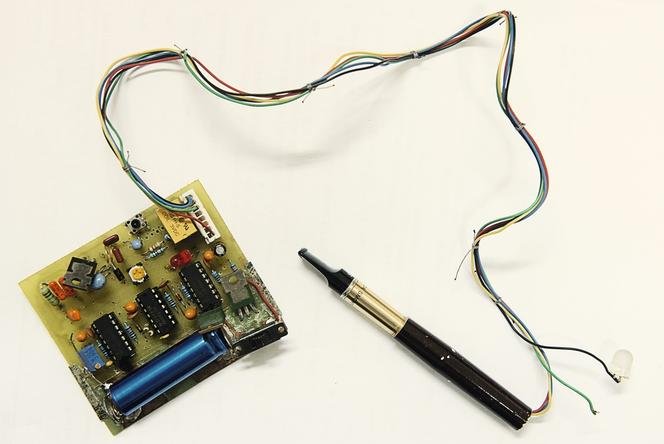
In 2005, the Ruyan is officially patented, bearing the name of the pioneering company. This patent details an operational electronic system, structured around Three essential components : a battery, a cartridge and an atomizer.
A true ancestor of the modern electronic cigarette, this model established the standardsfundamental techniques. This innovative design has served as the gold standard for the global vaping industry, influencing designs for more than a decade.
The initial use of ultrasonic technology
At first, he used the physical principle of nebulization. A piezoelectric crystal vibrated at a very high frequency. This transformed the liquid into fine droplets. It was a complex and expensive technology.
But the technical limits were numerous. The steam produced was cold and lacked density. Breakdowns often occurred because of the rapid fouling of the crystal.
The rendered in the throat was therefore mediocre. The smokers were not really convinced by the experience.
The transition to international marketing
The product finally arrived in Europe around 2006. The success was immediate among the curious and technophiles. The first specialist shops then began to spring up everywhere.
However, the authorities have reacted with suspicion. The WHO and governments remained cautious. They didn’t really know how to classify this hybrid and new object.
Moreover, to learn more about it, consult the history of the electronic cigarette which details these steps. You will understand better who invented the electronic cigarette and its journey.
Why heating elements changed everything in 2009
If Hon Lik invented the modern concept, it is a major technical modification that allowed the market to explode.
David Yunqiang Xiu and the 2009 patent
David Yunqiang Xiu, another Chinese engineer, shook everything up in 2009. He then filed a revolutionary patent for the industry. His idea? Replace complex ultrasound with a simple resistive wire. This is the real Birth of the modern atomizer.
This change marks a Radical technological leap. Heat finally becomes the main driver of vaporization. It is a much simpler and more effective process than the old ultrasonic vibrations.
The invention made vaping accessible to everyone. The cost of manufacturing then dropped drastically.
Why resistance has supplanted ultrasound
Thermal efficiency has nothing to do with it anymore. The coil instantly heats the liquid to create the aerosol. In addition, the cost of production is derisory compared to piezoelectric crystal.
Maintenance also becomes child’s play. Changing a simple cotton strand is within anyone’s reach. The user thus gains in autonomy and daily comfort.
Here’s what made The difference :
- Reduced manufacturing cost
- Warmer and denser steam
- Increased hardware reliability
- Simplified maintenance for the user
Impact on vapor density and feel
With this advance, the hit in the throat is finally there. The heat mimics the real feeling of smoke much better. Former smokers thus regain their usual sensory references. This is the key to successful quitting for a lot of people.
Thus, user satisfaction skyrockets. The clouds produced become denser and much tastier. The vape turns into a A real taste pleasure.
Naturally, the Global success really gets off to a good start with this innovation. The technology has finally matured.
Increased reliability of today’s electronic components
There was a Total circuit stabilization. Electronic chips now manage the entire heating process. Above all, they prevent accidental overheating and dangerous short circuits.
Power management is also a game-changer. You Adjust your watts with surgical precision. The chipset guarantees constant voltage for optimal safety.
4 generations of equipment for a transformed practice
In a few years, the object has mutated from a pale copy of a cigarette to a High-precision machines.
The era of cigalikes imitatedtraditional cigarette
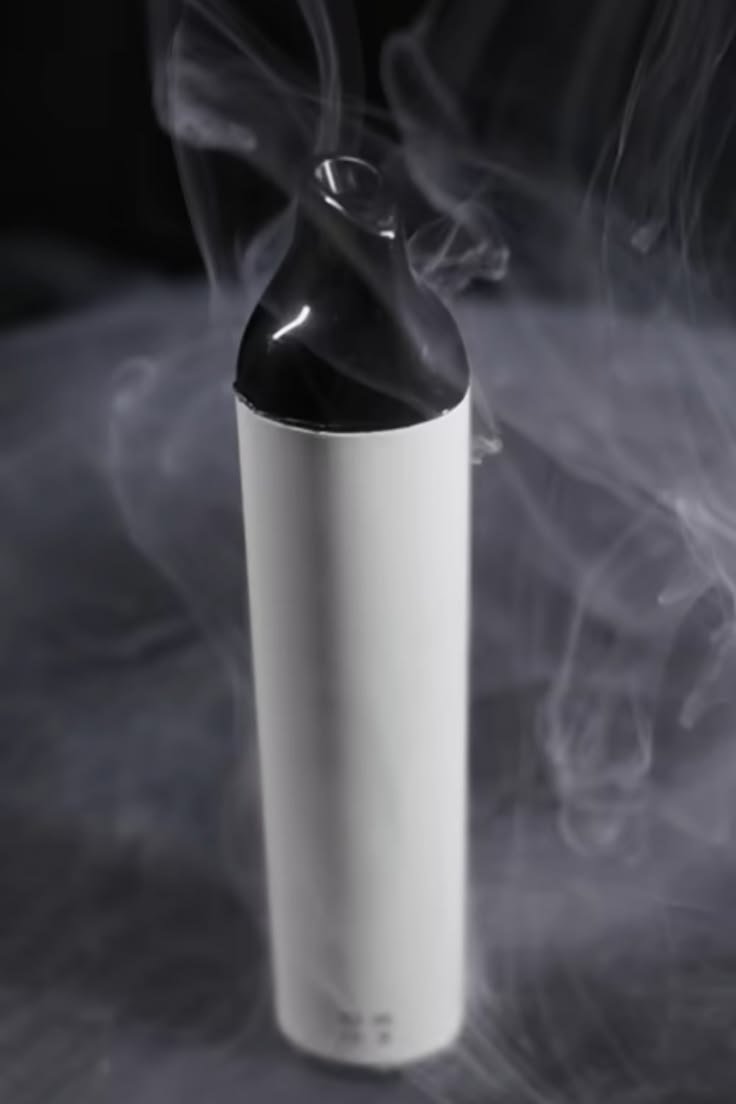
In the beginning, aesthetics copied tobacco. These models looked like real cigarettes. A red glow lit up with each puff. However, The autonomy remained very low, rarely exceeding two hours of use.
The operation was totally automatic. All you had to do was vacuum to Trigger the steam. A vacuum sensor then managed the ignition of the battery.
It was simple but often disappointing. The battery was still failing.
The appearance of Ego clearomizers and batteries
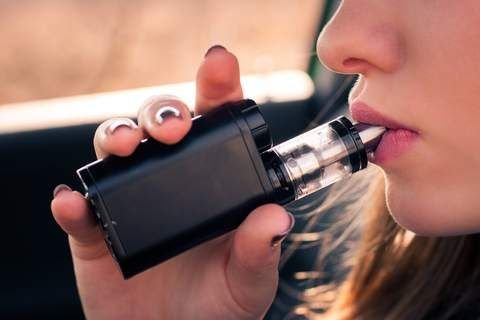
The major innovation was the transparent tank. We could finally see the remaining liquid level. Filling also became cleaner and much easier on a daily basis.
The standardization of the 510 thread has changed everything. This has made it possible to Mix the marks freely. The Ego batteries finally offered a full day of autonomy.
This is the beginning of personalization. Vapers are starting to Choose their equipment.
The rise of mods and rebuildable
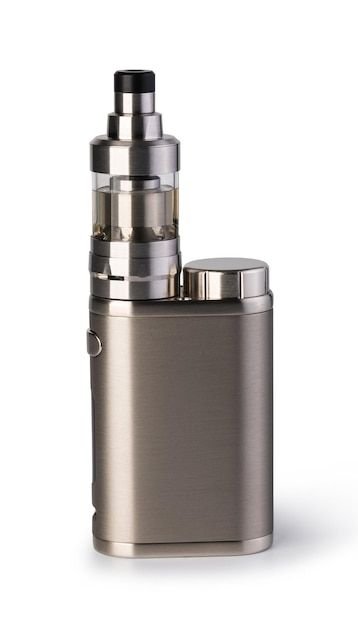
The market has shifted to mods. These are robust cases with removable batteries. They allow the power to be adjusted with surgical precision. The vaper then takes full control of his experience.
The personalization of the resistors then became the norm for the initiated. Enthusiasts make their own spools of thread. This Optimizes flavors and increases vapor volume.
A real “Geek” culture takes hold. The material becomes a collector’s item.
The return to simplicity with pod systems
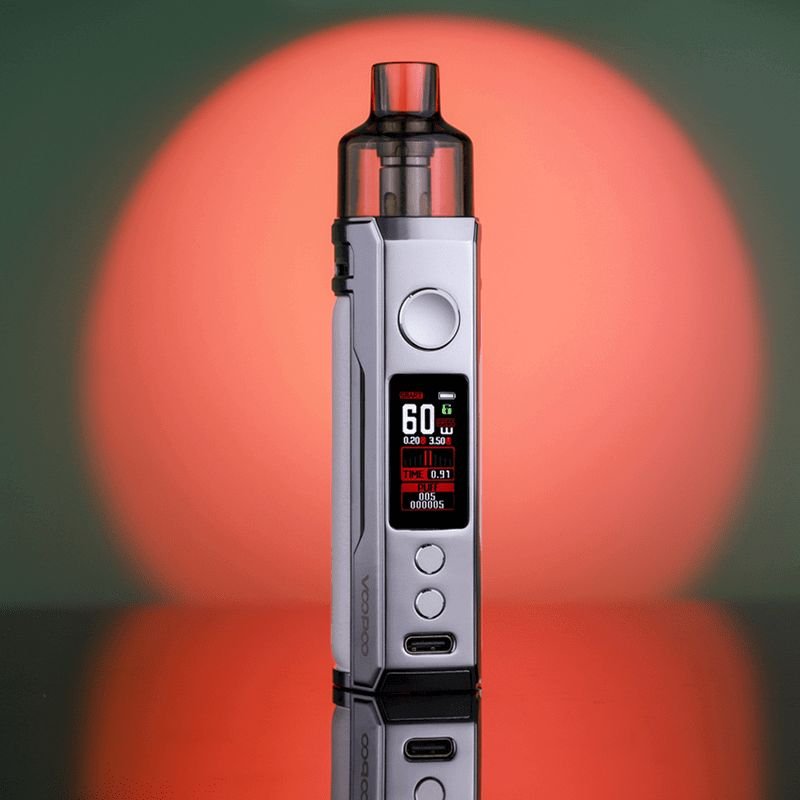
Today, success is based on the Compact Sizes. The small and discreet pods favor sealed cartridges to simplify use.
Also, the integration of nicotine salts radically transformed the experience, allowing for much faster absorption by the body. This innovation is ideal for beginners exploring the history of the electronic cigarette to grasp its present effectiveness. The circle is thus complete: we find the original simplicity, but now carried by an indisputable technical performance and efficiency.
Why did the market take forty years to take off?
One may wonder why such a brilliant idea in 1963 had to Waiting for the new millennium to break through.
The weight of the tobacco industry in the 60s
The tobacco companies reigned supreme. They massively financed political campaigns. None of these giants wanted a serious competitor. The classic cigarette remained their only machine with guaranteed profits.
There was a severe lack of money for alternative innovation. No investor was taking the risk. The tobacco lobby closed all doors to independent inventors.
Gilbert fought alone against empires. His project was Alas, condemned in advance.
The lack of miniaturization of batteries at the time
The technical limitations were insurmountable at the time. In 1960, the lead-acid batteries were huge. We couldn’t make a really efficient pocket object with that.
The contrast with our technologies is striking. Lithium-ion changed everything very recently. This energy density was science fiction for Gilbert’s time. The technique was simply not ready. The inventor was, once again, right far too soon.
Lack of awareness of the risks of second-hand smoke
The social context was radically different. People smoked everywhere: offices, planes or cinemas. The dangers of smoke were systematically hidden. Public opinion was not looking for a healthy alternative.
The need for change did not exist again. Without awareness, the market remained empty. Cigarettes were the absolute social norm. We had to wait for the first anti-smoking laws. It has finally created the request.
Late developments in patent law
Legal hurdles have long held back the momentum. The patents filed by Gilbert lacked solid protection. In China, The intellectual property system has evolved.
The protection of Chinese innovations has become more rigorous. Hon Lik was thus able to secure his rights. This has reassured capital to launch production. The legal framework has finally served the industry. Without protection, no massive investment was possible.
Shenzhen as the epicenter of global production
Beyond the inventors, it was an entire city that made it possible to create Democratization of the object.
Plant concentration and speed of iteration
In Shenzhen, proximity is a major asset. Everything is made within a radius of 20 kilometres. Battery factories rub shoulders with metal machinists. This organization allows for a Incredible industrial responsiveness. In fact, the speed of release of the models is impressive. A New prototype can be born in just one week. Engineers are constantly testing new ideas. It is a permanent open-air laboratory for the sector.
Bao’an district is the nerve center. It concentrates on its own 90% of production. It is the beating heart of the global vape.
Role of Chinese Engineers in Standardization
Normalization has been a necessary collective effort. Manufacturers have finally agreed on the technical formats. The 510 thread has become the universal standard. This has made life easier for consumers on a daily basis.
Engineers have shared standards for batteries. They wanted to avoid accidents that damage their image. Reliability has become a major selling point. Security protocols have been reinforced everywhere.
Massive export and global market dominance
The production figures are dizzying. Millions of units leave the port every month. China is flooding the American and European markets. No one can compete with their current manufacturing costs.
Naturally, mass production has driven down prices. What was a luxury has become affordable. Vaping has become part of everyday consumption. We know that it was a Chinese engineer who invented the modern electronic cigarette. Behind this success, there are:
Security and terminology: the legacy of inventors
Finally, the history of vaping can also be read in words and User Security.
Origin and adoption of the term vape by users
The word cigarette ended up being abandoned. Users wanted to detach themselves from the image of tobacco. The term “vape” came naturally on specialized forums. He highlights the total absence of smoke and combustion.
Little by little, a real semantic culture has taken hold. We now say “vaper” instead of “smoking”. This Specific vocabulary unites the community around its own identity. It is also an effective psychological barrier against the old addiction to tobacco.
As for professionals, they quickly followed this fundamental trend. Specialized shops are now called “vape shops” everywhere. This name change reflects the overall evolution of this modern practice.
Technological improvements related to battery protection
Current devices incorporate many electronic safeguards. Modern mods interrupt the power if a short circuit occurs. They constantly monitor the internal temperature of the material. This prevents the risk of dangerous outgassing of the batteries.
These innovations have radically changed the public’s perception. Users use their equipment with great confidence. The technical incidents have become extremely rare with regulated devices. This is the concrete result of many years of research.
Quality of e-liquids and evolution of tanks
The reservoirs have experienced a Profound technical transformation. The old cotton flock has been abandoned for watertight tanks. Fluid leaks are now a thing of the past. The materials chosen now benefit from strict food certification.
The Chemical transparency has become the industry standard. The manufacturers detail the precise composition of each bottle. The origin of the glycerin and the flavourings is clearly identified. This is an essential guarantee of safety for every vaper.
In short, Vaping has transformed into a responsible industry.
FAQ
Who really invented the first electronic cigarette?
History remembers two major figures. In 1963, the American Herbert A. Gilbert patented the very first “tobacco-free and smokeless” cigarette concept, using flavoured hot air. However, his invention was never commercialized at the time. It was in 2003 that the Chinese pharmacist Hon Lik developed the first functional, marketable device. Motivated by the death of his father linked to smoking, he designed the “Ruyan” technology, a direct ancestor of our current vapes, to deliver nicotine without tar.
What is the difference between the 1963 patent and the modern vape?
Gilbert’s 1963 prototype was based on heating moist, fragrant air, without any trace of nicotine. It was a a purely sensory device for simulating the smoker’s experience without combustion, but it did not produce visible vapor as we know it. Hon Lik’s version in 2003 introduced the use of a nicotine-based liquid. Initially, it used ultrasound to vaporize the mixture, before the industry turned to heating resistor for efficiency.
When did heating element technology appear?
Although Hon Lik pioneered the market, it was Chinese engineer David Yunqiang Xiu who revolutionized the system in 2009. He patented the use of a resistive wire to heat the liquid, replacing overly complex and expensive ultrasonic systems. This innovation has made it possible to drastically reduce production costs while offering warmer and denser vapor. It is this resistance vaporization technology that equips almost all electronic cigarettes sold today in the world.
Why didn’t the electronic cigarette break through in the 60s?
Several factors explain Gilbert’s failure in 1963. At that time, the tobacco industry was extremely powerful and smoking was seen as a rewarding social act. There was no legislative or social pressure against smoking to promote an alternative. In addition, the technical constraints were major: the miniaturization of batteries did not yet exist. He was Impossible to create a stand-alone and high-performance pocket object with the energy technologies of the 60s.
Where are the majority of e-cigarettes made today?
The nerve center of world production is located in Shenzhen, China, and more precisely in the Bao’an district. It is estimated that close to 90% of vaping devices are manufactured there through a unique concentration of specialized factories and suppliers. This proximity allows Chinese engineers toInnovating at lightning speed. It is also in Shenzhen that industry standards, such as the 510 screw thread, have been generalized to ensure compatibility between different hardware.