Understanding the placement of monofocal implants and their usefulness
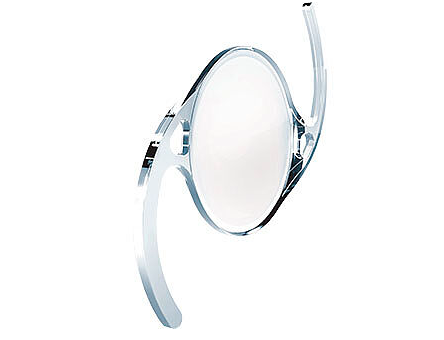
The single-focus implant replaces the lens to correct cataracts or severe myopia. It offers a Clear vision at a unique distance, often from a distance, requiring glasses for reading. This 15-minute outpatient procedure stabilizes the eyesight permanently.
That said, going from a hazy vision to a Clarity regained asks you to understand how this small technical device takes over from your biology.
Role of the artificial lens in visual restoration
The implant replaces the natural lens that has become opaque over time. This transparent synthetic lens restores clarity to vision from the first days after the surgical act.
Its structure includes central optics and haptics. These flexible fasteners ensure the fixed hold of the lens in the capsular sac of the operated eye.
The material is biocompatible and designed to last a lifetime. It does not require any special maintenance after healing.
Medical indications for cataracts and refractive disorders
Age-related cataracts remain the main cause of this surgery. It often affects seniors whose vision becomes cloudy. The implant also treats high myopia or hyperopia. It’s a radical solution when glasses are no longer enough.
The procedure for the placement of monofocal implants is aimed at a variety of profiles:
- Seniors with Opacity of the lens.
- Patients with high myopia.
- People with a Severe farsightedness.
- Presbyopic subjects seeking a Surgical alternative.
The effectiveness on the associated disorders is real. The implant corrects the basis of vision but can leave a mild residual astigmatism.
Preoperative assessment and calculation of visual correction
Before moving on to the operating room, everything depends on a meticulous preparation to Defining the power of your future gaze.
Importance of Precision Eye Biometrics
The ophthalmologist evaluates the ocular dimension via Ultrasound or laser, while scrutinizing the corneal arch. These measurements are crucial for setting up the artificial lens. So much so that a single millimeter of shift would ruin the optical correction. The accuracy of this assessment, the most advanced phase of care, ensures the excellence of the vision to come.
Choosing your focus according to your lifestyle
You need to decide if you prefer to see sharply from a distance without glasses. This helps with driving or sports. On the other hand, the reading will require an additional correction. It is a Compromise with the classic monofocal model.
I suggest you discuss your hobbies with the surgeon. Your daily life will dictate the setting of the artificial lens.
Optical quality of aspherical and spherical implants
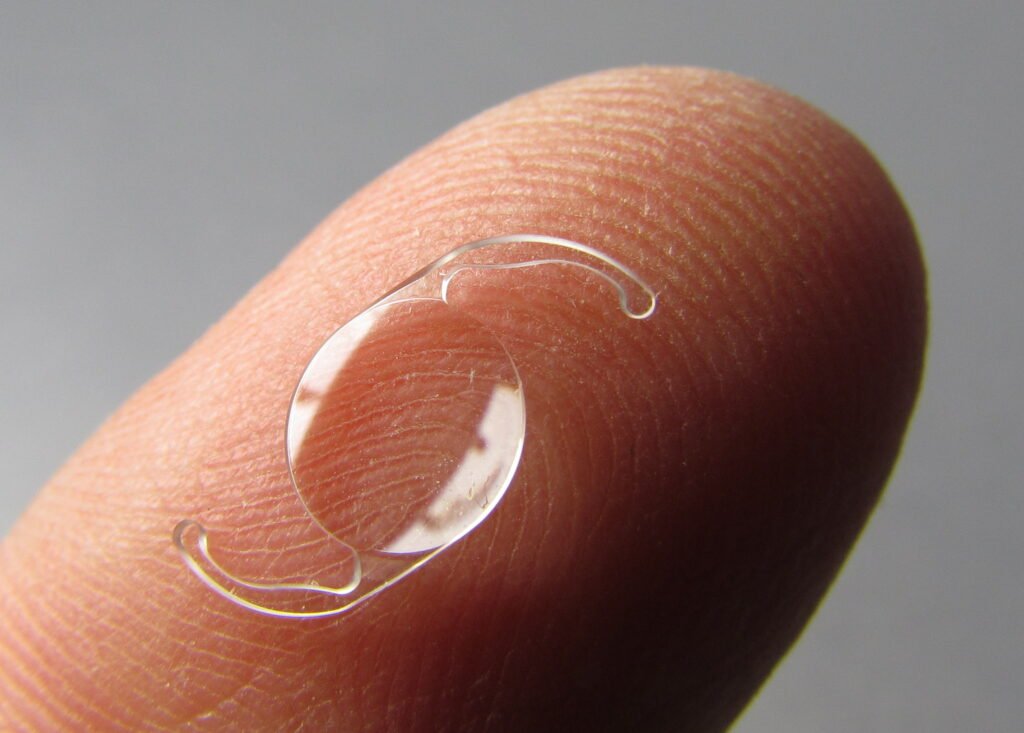
Be aware that aspherical models better imitate the natural shape of the young lens. They reduce light aberrations at the edges. Vision becomes sharper, especially in low light.
Spherical implants, on the other hand, are more basic but effective. However, aspherics Significantly improve nighttime contrasts. This is an undeniable plus for driving safety in the evening.
Key Steps in Outpatient Surgery
Once the measurements have been validated, the intervention itself is fast and perfectly rehearsed thanks to current technologies.
Phaco-emulsification technique and micro-incisions
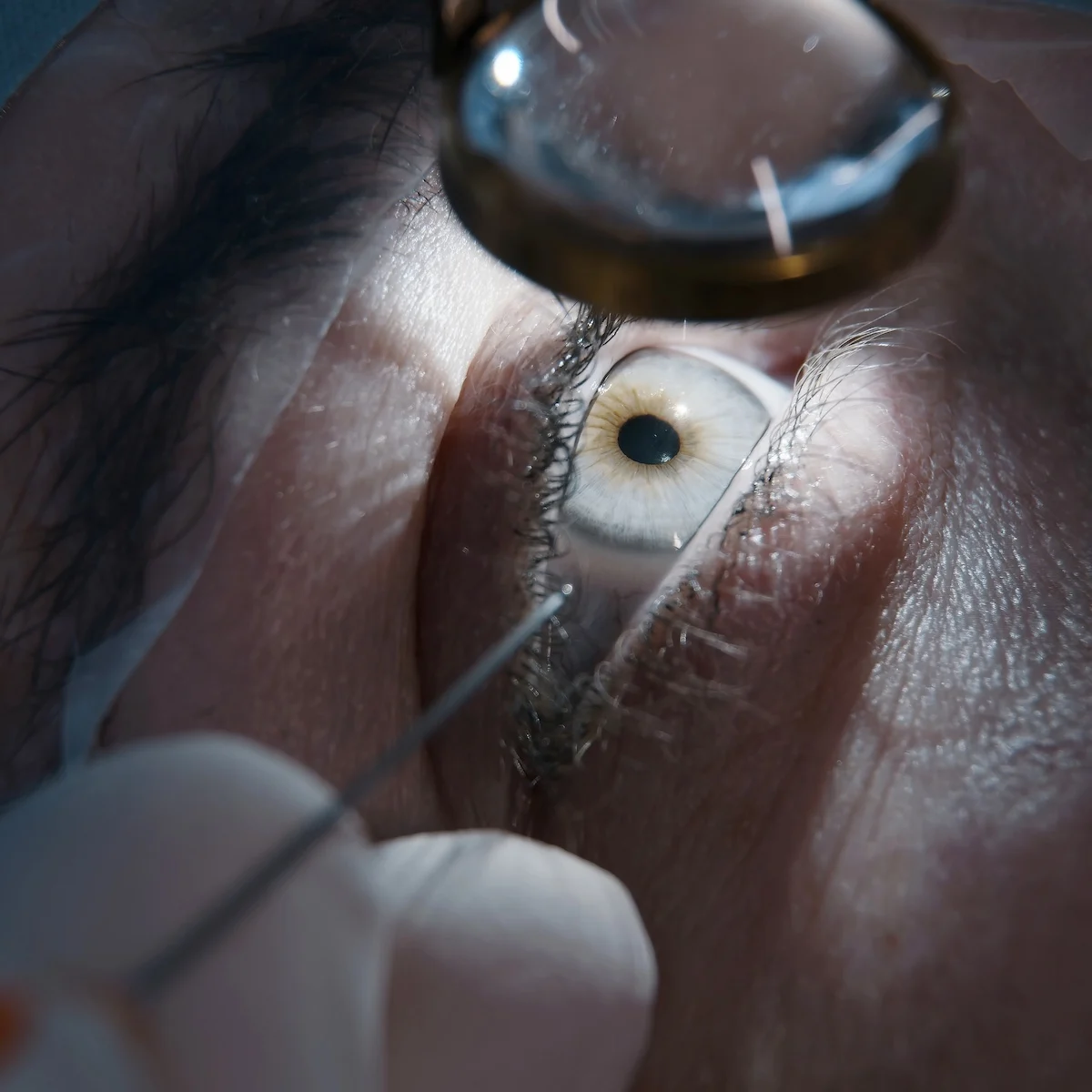
The surgeon uses ultrasound to fragment the worn lens. This technique is called phaco-emulsification. It allows you to work through a tiny incision of two millimeters.
The debris is carefully sucked up by a specific probe. The eye is then ready to Receive your new lens. The incision heals on its own without stitches.
Everything takes place under local anesthesia by drops. You don’t feel No pain during these few minutes.
Lens placement and stabilization
The implant is wrapped in a sterile injector to pass the incision. Once in the eye, it slowly unfolds and takes its place. The fasteners naturally attach to the capsular bag. The centering is checked immediately by the practitioner. Here’s a quick overview of these steps:
- Injector Insertion
- Automatic deployment
- Immediate Centering
- Definitive stability
The operation ends with a Leak check. You leave the operating room with transparent eye protection.
Post-operative follow-up and wearing of complementary glasses
The The success of the operation depends on the also of your rigor during the days following the return home.
Care protocol and immediate eye protection
You will need to Apply antibiotic and anti-inflammatory eye drops several times a day. Also, a protective case is necessary for sleeping. It prevents involuntary friction during the night.
Here are the Essential gestures :
- Instillation of drops
- Night hull port
- Relative visual rest
- Avoid dust
In addition, avoid any violent effort or the swimming pool for a month. Your eye remains fragile while it heals completely.
Why are glasses sometimes necessary?
Devoid of flexibility, the single-vision implant does not replace the natural fit of the gaze. Clear vision in the distance therefore requires the wearing of glasses for reading, for example.
However, the Monovision offers an alternative: each eye is adjusted over a different distance. By combining these visuals, the brain limits the use of corrective lenses. However, this efficient solution requires a transition period to get used to it fully.
Dysphotopsia phenomena and brain adaptation
Suffice to say, you might perceive halos or slight glare at first. This phenomenon is normal and often transient. Your brain must learn to interpret these new light signals.
In fact, neuro-adaptation usually takes a few weeks. Be patient, Visual quality improves every day a little more.
That said, if you have persistent discomfort, talk to your specialist. Most patients forget these effects after three months.
Finally, the placement of monofocal implants restores your visual clarity in the long term thanks to a quick 15-minute procedure and a precise biometric calculation. Schedule your preoperative check-up now to stabilize your eyesight and quickly regain optimal daily comfort. Finally rediscover the pleasure of a clear vision and a brighter future.
FAQ
What is the average duration of an operation to place monofocal implants?
The procedure is particularly quick, as it usually lasts about 15 minutes. It takes place on an outpatient basis, which allows you to return home the same day after a short rest time in the clinic.
Is the procedure for the placement of a single-vision implant painful?
Absolutely not. The operation is performed under local anesthesia using anesthetic drops instilled directly into the eye. You don’t feel any pain while the surgeon is replacing the lens.
Will I have to wear glasses after a single-vision implant?
The single-vision implant has a unique optical power set over a single distance, most often distance vision. Therefore, Wearing glasses is generally essential, such as reading or precision work.
What is the difference between a spherical monofocal implant and an aspherical model?
The spherical implant is the standard model that effectively corrects vision at a given distance. The aspheri implantbenefits from a more advanced optical design that reduces light aberrations, providing a more efficient Better contrast perception and sharper night vision.
What precautions should be taken immediately after surgery?
It is essential not to rub your eye and toRigorously apply prescribed antibiotic and anti-inflammatory eye drops. You will also have to wear a protective shell at night for a week and avoid violent exertion or swimming for about a month.
Is it possible to correct distance and near vision with monofocal implants?
This is possible thanks to the “seesaw” or monovision technique. The surgeon adjusts the implant in one eye for distance vision and the implant in the other eye for near vision. The brain then learns to merge these two images to offer longer battery life without glasses.
Does the single-vision implant need to be replaced after a few years?
No, the implant is made of an extremely durable biocompatible material. It is designed to stay in place and Perform flawlessly throughout the patient’s life, without the need for maintenance or subsequent replacement.