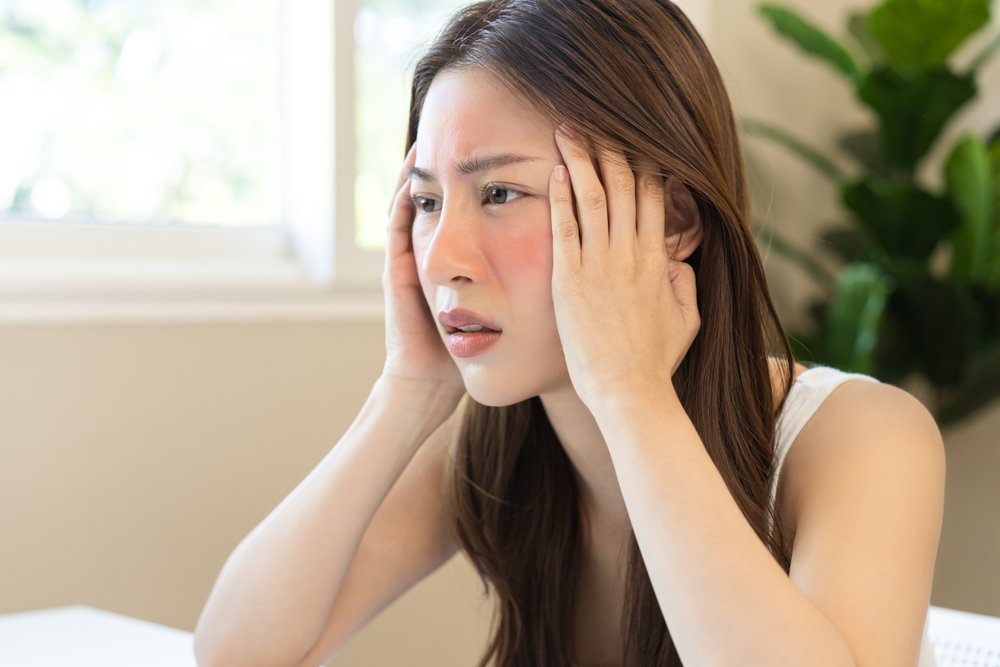
Redness, blemishes, dull complexion, marked wrinkles… What if stress was one of your skin’s main enemies? Often underestimated, stress nevertheless has a profound effect on the skin’s balance. It influences hormones, weakens the skin’s protective barrier and accelerates its aging. The good news? By learning how to better manage your stress, you can actually improve the look and health of your skin.
In this article, discover how stress acts on the skin and especially how to reduce it effectively, thanks to simple and accessible daily gestures.
Understanding the impact of stress on the skin
Stress is not just an emotional state. It is a complex biological reaction that has visible consequences on your skin. When you’re stressed, your body releases cortisol, also known as the “stress hormone”.
This cortisol disrupts several mechanisms essential to skin health.
It stimulates sebum production. As a result, pores become clogged more easily, leading to pimples, blackheads and blemishes. Combination to oily skin is particularly concerned.
It weakens the skin barrier. The skin retains water less well. It becomes drier, more sensitive and more reactive to external aggressions such as pollution or cold.
It slows down cell renewal. The complexion loses radiance. Skin looks tired, dull and less smooth.
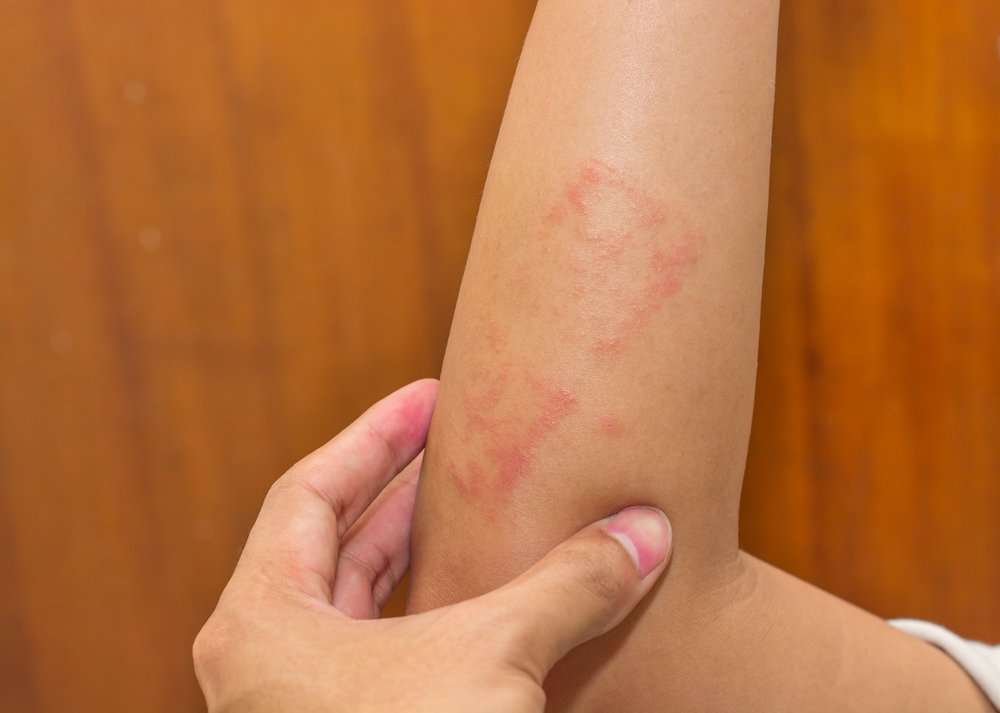
It accentuates inflammation. Redness, eczema, psoriasis or rosacea can worsen in times of intense stress.
Finally, chronic stress accelerates skin aging. It promotes the breakdown of collagen and elastin, which are responsible for skin firmness. Fine lines and wrinkles appear more quickly.
Understanding this link between stress and skin is an essential first step. But to see real change, it is essential to act at the source.
Adopt anti-stress techniques that are beneficial for the skin
Reducing stress doesn’t mean disrupting your daily life. Small, regular adjustments can make a big difference, both for your well-being and for your skin.
Breathing and relaxation
Deep breathing is one of the fastest ways to soothe the nervous system. A few minutes a day is enough.
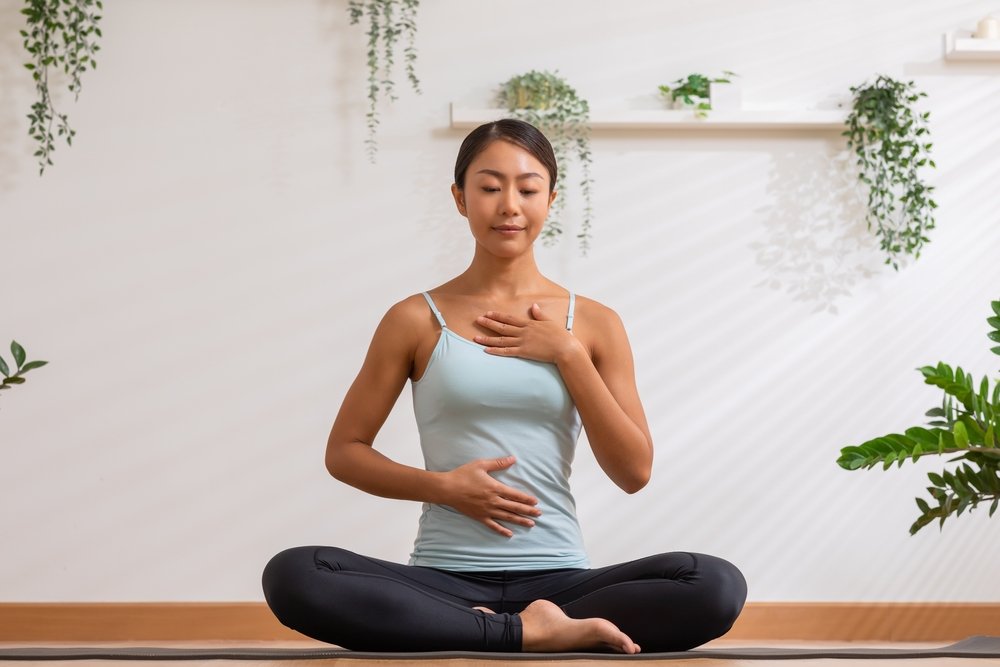
Try abdominal breathing. Inhale slowly through your nose. Inflate the belly. Exhale gently through your mouth. Repeat for five minutes. This technique reduces cortisol levels and promotes oxygenation of skin cells.
Meditation and cardiac coherence are also very effective. They help release mental tension that is often reflected on the face.
Sleep, an essential beauty ally
Quality sleep is essential for beautiful skin. Cell regeneration is most active at night.
In times of stress, sleep is often disrupted. Try to set up a calming routine in the evening. Avoid screens before sleeping. Prefer a relaxing herbal tea or some gentle stretching.
Getting enough sleep allows the skin to repair itself, produce collagen, and eliminate toxins accumulated during the day.
Gentle physical activity
Sport helps to relieve stress and improves blood circulation. The skin is better oxygenated and the complexion becomes brighter.
It is not necessary to practice strenuous activity. Brisk walking, yoga or Pilates are particularly recommended. They relax the body without attacking it.
Moving regularly also promotes the elimination of toxins through perspiration, which contributes to clearer skin.
Adapt your beauty routine and lifestyle in times of stress
When stress sets in, your skin needs more softness and protection. Adapting your beauty routine is essential to limit its visible effects.
Simplifying and soothing the skincare routine
In times of stress, avoid overly aggressive treatments. Choose soothing and moisturizing textures.
Cleanse your skin with a gentle product, free of sulfates and alcohol. Moisturize morning and night with a cream adapted to your skin type. Look for actives like aloe vera, chamomile, or panthenol, which are known for their calming properties.
Don’t forget the facial massage. A few minutes are enough to relax the features, stimulate circulation and restoreRelease the tension accumulated in the jaw or forehead.
Focusing on an anti-stress and beauty diet
What you eat directly influences the condition of your skin. In times of stress, the body draws more on its vitamin and mineral reserves.
Favor foods rich in antioxidants. Red fruits, green vegetables and oilseeds help fight against the oxidative stress responsible for skin aging.
Omega-3, present in oily fish or chia seeds, contributes to the suppleness and hydration of the skin.
Limit sugar and caffeine intake. They accentuate cortisol spikes and can worsen blemishes.
Take time for yourself without feeling guilty
Self-care is not a luxury. It’s a necessity, especially when stress builds up.
Give yourself moments to take a break. A warm bath, a facial at home, a relaxing read. These moments of calm help to lower the pressure and are quickly reflected on your skin.
Learning to say no and slow down is also a form of care. Soothed skin often starts with a more serene mind.
In short, stress rarely leaves the skin indifferent. It influences its balance, radiance and ageing. By understanding its impact and taking simple steps to reduce it, you can really improve the quality of your skin.
Breathing, sleep, gentle physical activity, adapted nutrition and a soothing beauty routine form an inseparable whole. Every little bit counts. Your skin is the mirror of your inner well-being.
By taking care of your mind, you offer your skin the best conditions to regain comfort, luminosity and vitality. Beautiful skin always starts with a peaceful mind.