
In a society where everything seems to be moving faster and faster, slowing down can sometimes feel like wasting time. The days are often filled with obligations, digital demands and goals to achieve. Many women juggle their professional life, family life and personal commitments, with the feeling of constantly having to be productive.
However, this constant running can have consequences on physical and mental well-being. Fatigue, stress, irritability or difficulty fully enjoying everyday moments are often signs of a pace that has become too intense.
Slowing down does not mean giving up on your ambitions or becoming inactive. Rather, it is about learning to find a more balanced rhythm, more in line with your needs. This approach can have positive effects on health, beauty and quality of life in general.
Find out why taking the time to slow down can become a real ally for your well-being.
Slowing down reduces stress and mental fatigue
An intense rhythm constantly solicits the brain
The human brain is not designed to function in a state of constant alert.
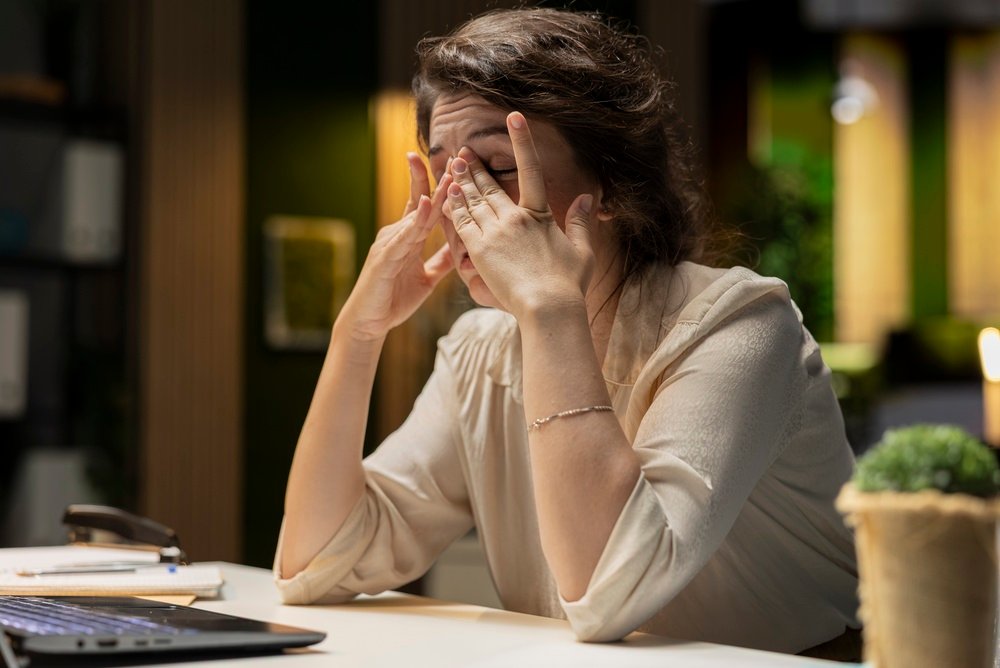
Between notifications, deadlines and a lot of information to process, the mind often stays active from morning to night.
This mental overload can promote:
- Chronic stress
- Difficulty concentrating
- Sleep disorders
- Emotional fatigue
Taking breaks helps reduce that pressure.
Find a breathing space
Slowing down helps create moments when the mind can rest.
This can be done through simple activities:
- Walking without a specific goal
- Read a few pages of a book
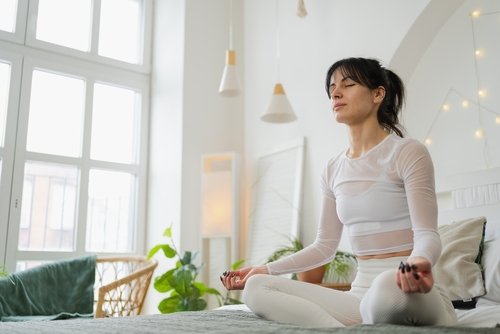
- Meditate for a few minutes
- Drinking tea mindfully
These breaks promote better mental recovery.
Better manage your emotions
When we are constantly in a hurry, we often have less availability to welcome our emotions.
The slowdown allows you to take a step back from everyday situations.
This distance helps to react with more calm and lucidity.
Preserving your energy
Fatigue is not only physical.
The accumulation of mental demands can also deplete our resources.
By slowing down regularly, you allow your body to recover more efficiently.
A positive impact on beauty and health
Stress influences the appearance of the skin
Prolonged stress can have a visible impact on the skin.
Some women notice:
- A duller complexion
- More sensitive skin
- An increased appearance of blemishes
- A visible feeling of fatigue on the face
Reducing stress levels often helps improve the skin’s natural radiance.
Promote better sleep
Sleep plays an essential role in the body’s repair mechanisms.
When the pace of life is too fast, it sometimes becomes more difficult to find a restful sleep.
Slowing down at the end of the day helps prepare the body and mind for rest.
Eating with more awareness
Taking the time to eat often allows you to listen better to your food sensations.
This habit promotes:
- Better digestion
- A more serene relationship with food
- Greater satisfaction after meals
Well-being also involves these simple everyday gestures.
Listen more to your body
A frantic pace sometimes pushes us to ignore certain signals.
Fatigue, muscle tension or the need for rest can be put aside for a long time.
Slowing down allows you to better perceive these messages and take action before exhaustion sets in.
How to learn to slow down on a daily basis
Reduce multitasking
Multitasking often feels like it’s buying time.
However, this habit sometimes increases mental fatigue.
Focusing on one activity at a time promotes a better quality of attention.
Plan real breaks
Breaks do notshould not be considered as wasted time.
They are essential for the proper functioning of the body and mind.
Even a few minutes are enough to:
- Breathe deeply
- Stretching
- Walking a little
- Refocusing
Limit digital demands
Telephones, social networks and messaging are constantly soliciting our attention.
Regularly distancing yourself from screens allows you to find more calm.
For example:
- Mute unnecessary notifications
- Schedule phone-free time
- Avoid screens before bedtime
Giving back space to rejuvenating activities
Some activities naturally provide a feeling of calm.
This can be:
- Gardening
- Reading
- Meditation
- Drawing
- A walk in nature
These moments nourish emotional well-being.
Accepting not to do everything
One of the main challenges is often accepting that not everything can be accomplished immediately.
Learning to prioritize reduces unnecessary pressure.
Slowing down also means recognizing one’s limits with kindness.
Cultivating presence on a daily basis
Being fully present in what you do often transforms the quality of your experiences.
Even the simplest tasks can become more enjoyable when done carefully.
This presence promotes a sense of satisfaction and balance.
In short, in a world where speed is often valued, slowing down can seem counterintuitive. However, it offers many benefits for overall well-being. It reduces stress, conserves energy, improves sleep quality, and even supports the skin’s natural beauty.
Slowing down doesn’t mean giving up on your plans or becoming less efficient. Rather, it’s about getting back into a rhythm that is more respectful of your physical and emotional needs. A few simple adjustments, such as giving more room for breaks, limiting digital demands or practicing mindfulness, can already make a real difference.
By learning to slow down, you give yourself the opportunity to live each day with more serenity, presence and balance. A change that is sometimes discreet, but which can profoundly transform your quality of life.